

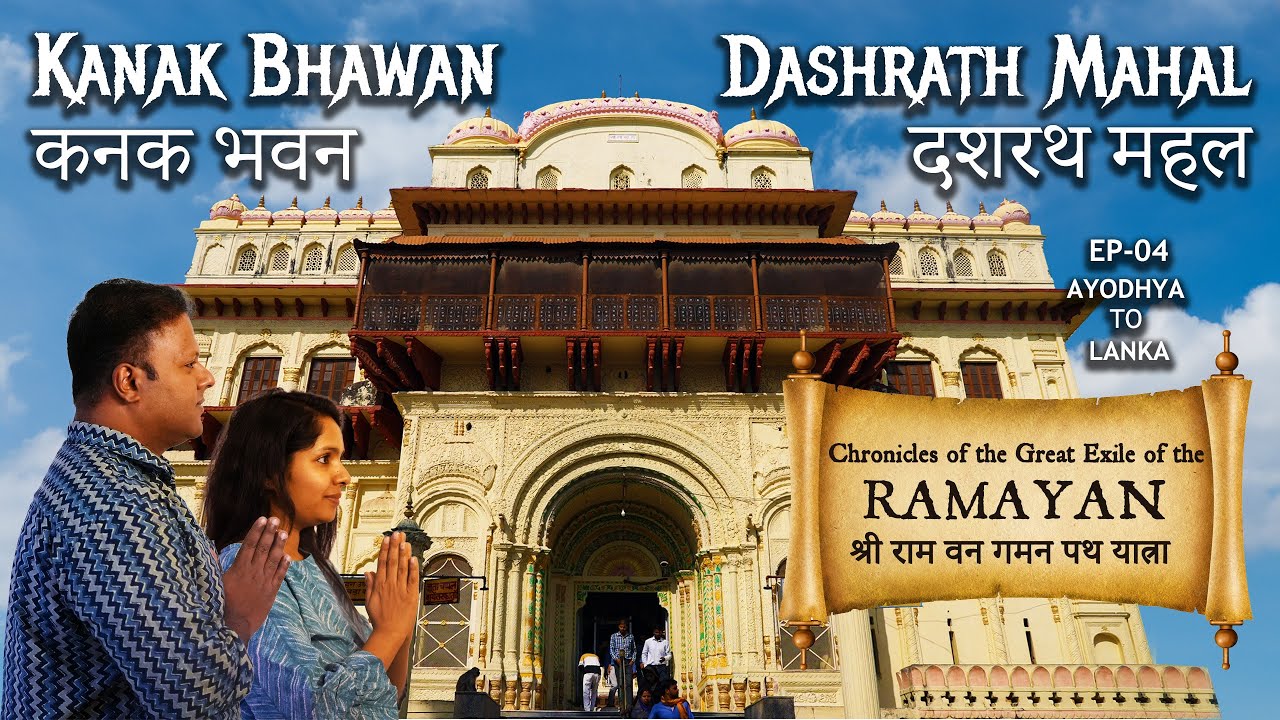
Abode of Shri Ram – Dashrath Mahal & Kanak Bhawan Ayodhya
Welcome back to our channel and to the exciting world of Ramayana…!!!!
In the last episode, you watched us visit the magnificent “Shree Hanuman Garhi Mandir,” explored the revered “Bhagwan Shaligram Karyalaya,” and learned about the significant “Shree Ram Janmabhoomi Karyalaya” (office). In this episode, we will continue our journey through Ayodhya by visiting the historic “Dashrath Mahal,” the splendid “Kanak Bhawan,” and various other temples that add to the spiritual tapestry of this ancient city.
Let’s dive in and discover the rich heritage and sacred sites of Ayodhya!
Episode 4 – दशरथ महल Dashrath Mahal – कनक भवन Kanak Bhawan | Ayodhya Temples
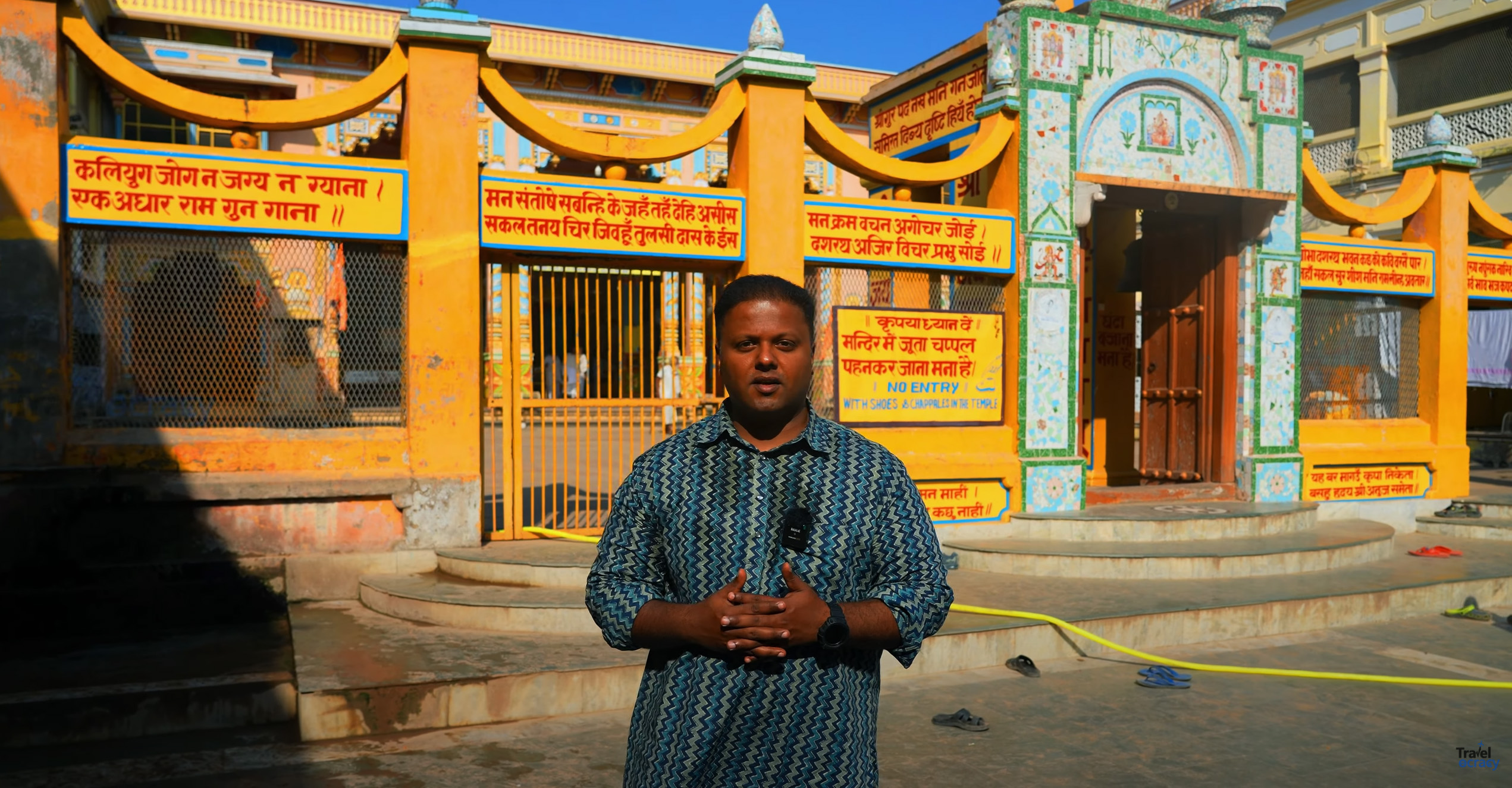
We started our day by visiting the illustrious “Dashrath Mahal.” It is widely believed that Lord Shree Ram was born here in Dashrath Mahal, the palace of King Dashrath, father of Lord Shree Ram.
The current structure dates back to somewhere between the 10th and 18th centuries and is revered as the place where Lord Shree Ram spent his early childhood.
Inside Dashrath Mahal, we saw the beautiful idols of Lord Shree Ram, Lakshman, Bharat, and Shatrughan. The palace features marvelous architectural designs, stunning domes, and intricate carvings and arches
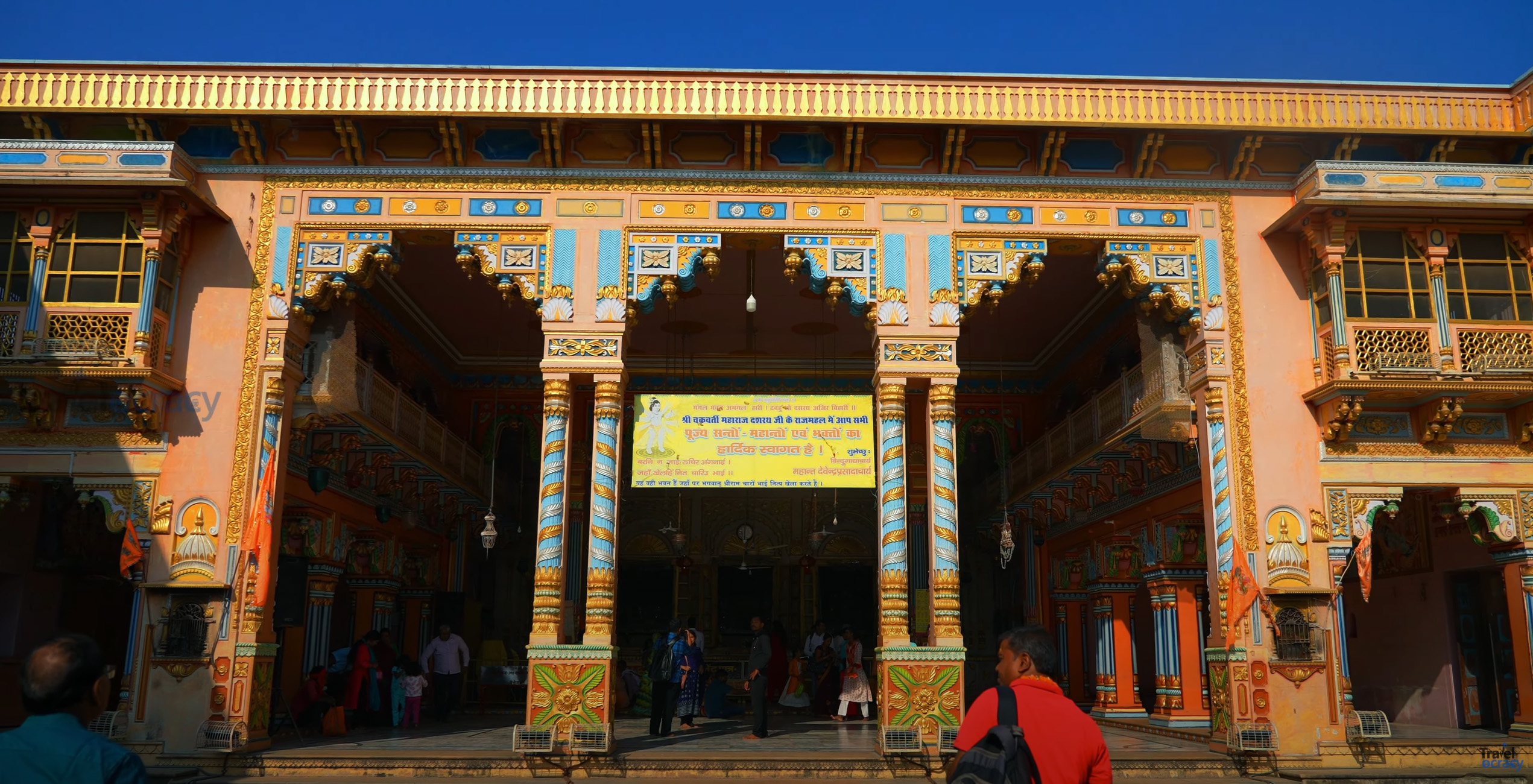
Dashrath Mahal, situated in Ramkot (Ayodhya), is also known as “Bada Sthan” or “Badi Jagha” (Big/Major Place). It is located in the heart of Ayodhya City, very close to Shree Hanuman Garhi Mandir and Kanak Bhawan. The narrow streets here are best navigated on foot or by rickshaw, as four-wheeler vehicles are not allowed. Reconstruction work is ongoing throughout Ayodhya, including at Dashrath Mahal. In the video, you can see a map showing Shree Hanuman Garhi Temple just 50 meters away from Dashrath Mahal, Kanak Bhawan just 10 meters away, and the New Ram Janma Bhoomi Temple about 1 km away.
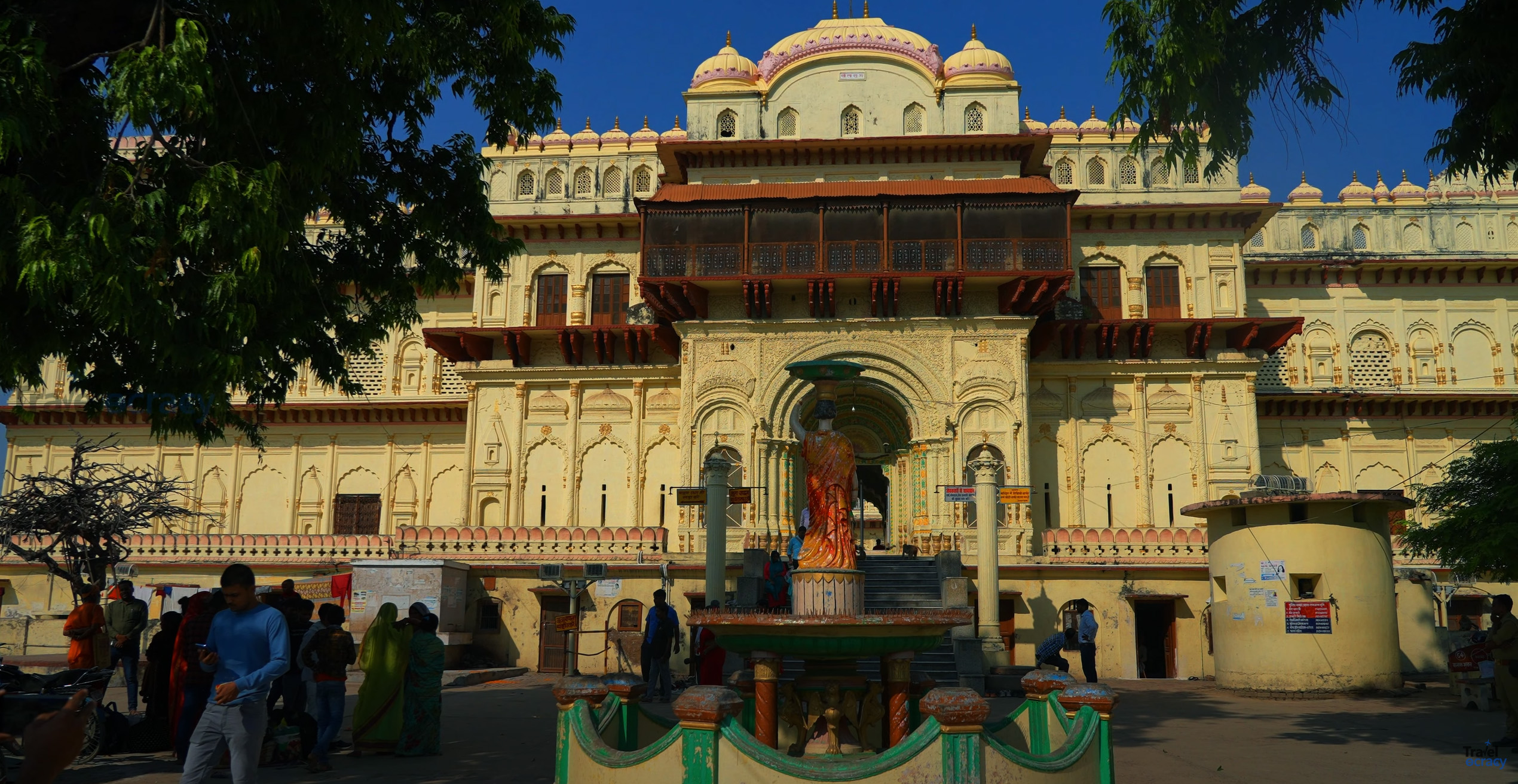
Next, we visited “Kanak Bhawan,” said to be a gift from Devi Kaikayi to Mata Sita. It is also believed to have been the personal residence of Lord Ram and Mata Sita, eventually renovated by King Vikramaditya. Though the current building may not be the original, the place is the same. According to legend, after the original Kanak Bhawan was ravaged by time, it was rebuilt by Lord Shree Krishna himself in the Dvapara Yuga (Era), then again by King Vikramaditya during the Medieval period, and later by Queen Vraj Bhanu Kuwari of Orchha (Madhya Pradesh), whose reconstruction is what we see today.
Inside the temple, in the Garbha Graha (sanctum sanctorum), we saw the idols of Lord Shree Ram and Goddess Sita.
Let’s hear more from our own “High Tech Baba,” who you must remember from our last few episodes. We asked him about the popular belief that Lord Shree Ram still visits Kanak Bhawan in the evenings to spend the night and then goes to Orchha for the day. He confirmed this, explaining that when Queen Vraj Bhanu Kuwari visited Ram Lalla, she desired a sitting idol of Lord Shree Ram. Lord Shree Ram agreed, and artisans in Jaipur made the sitting idol, which is still in Orchha.
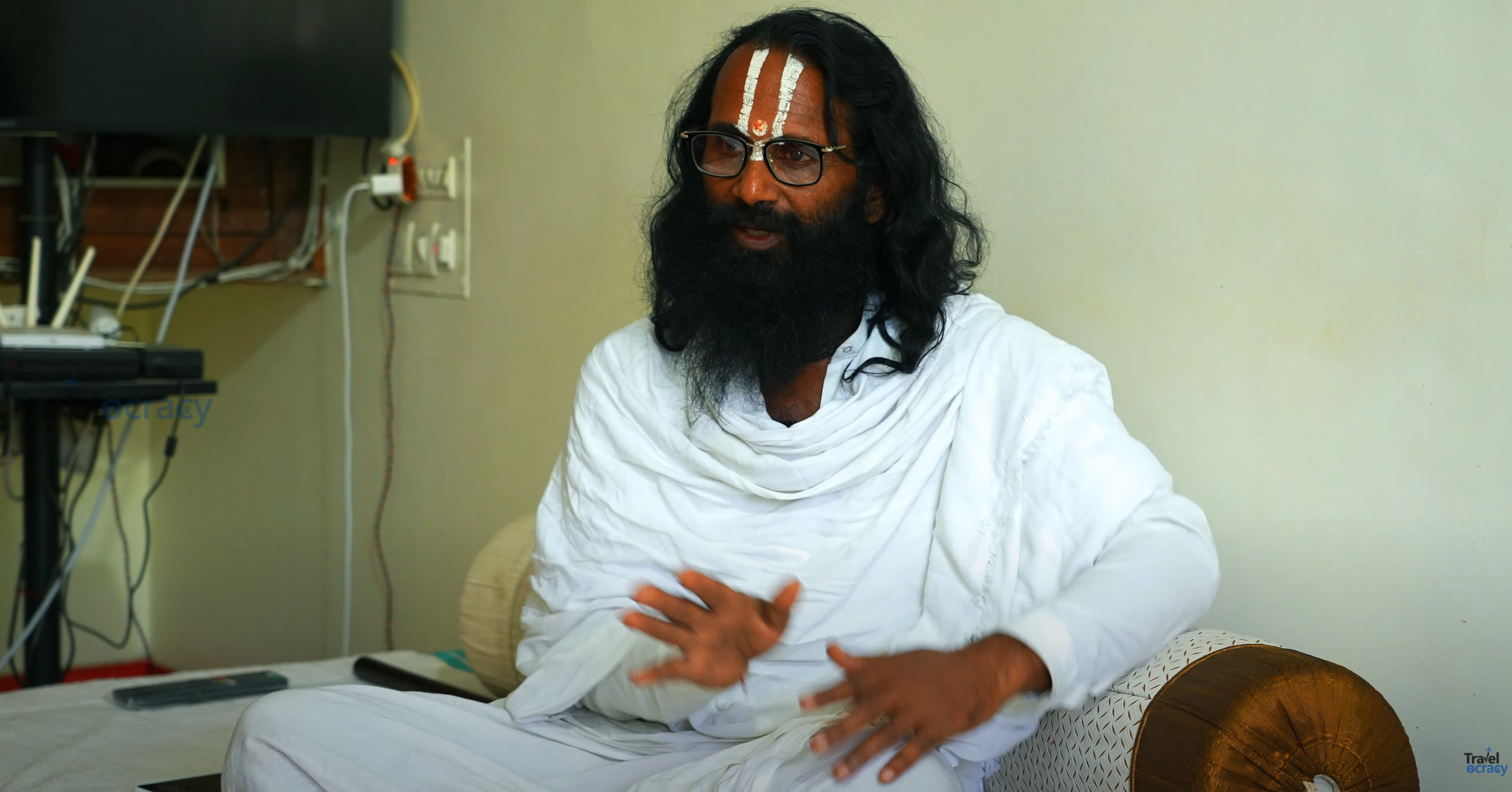
High Tech Baba also told us that since Kanak Bhawan is the personal residence of Lord Shree Ram and Mata Sita, no other gods and goddesses are allowed inside. Thus, only Lord Shree Ram and Mata Sita are in the Garbhagriha, while Lord Hanuman is in the courtyard. He emphasized that Ayodhya and its residents are the favorites of Lord Shree Ram, who is always present here. He explained that God is infinite and resides in both the conscious and subconscious mind, being omnipresent in Orchha, Ayodhya, and everywhere else.
On this note, let’s conclude today’s episode. Join us in our next episode, where we will delve into the vibrant and captivating world of Ram Leela in Ayodhya. Don’t miss out as we explore this enchanting theatrical tradition that brings the epic of Ramayana to life.
Jai Shri Ram… !!!