

K K Muhammed Interview: Ram Janmabhoomi Evidence & Ayodhya
Welcome back to our channel and to the exciting world of Ramayana…!!!!
In our last episode, we marveled at the Ram Leela performance in Ayodhya and delved into Mr. Umesh Jaiswal’s intriguing predictions about God Kalki and Kalyug.
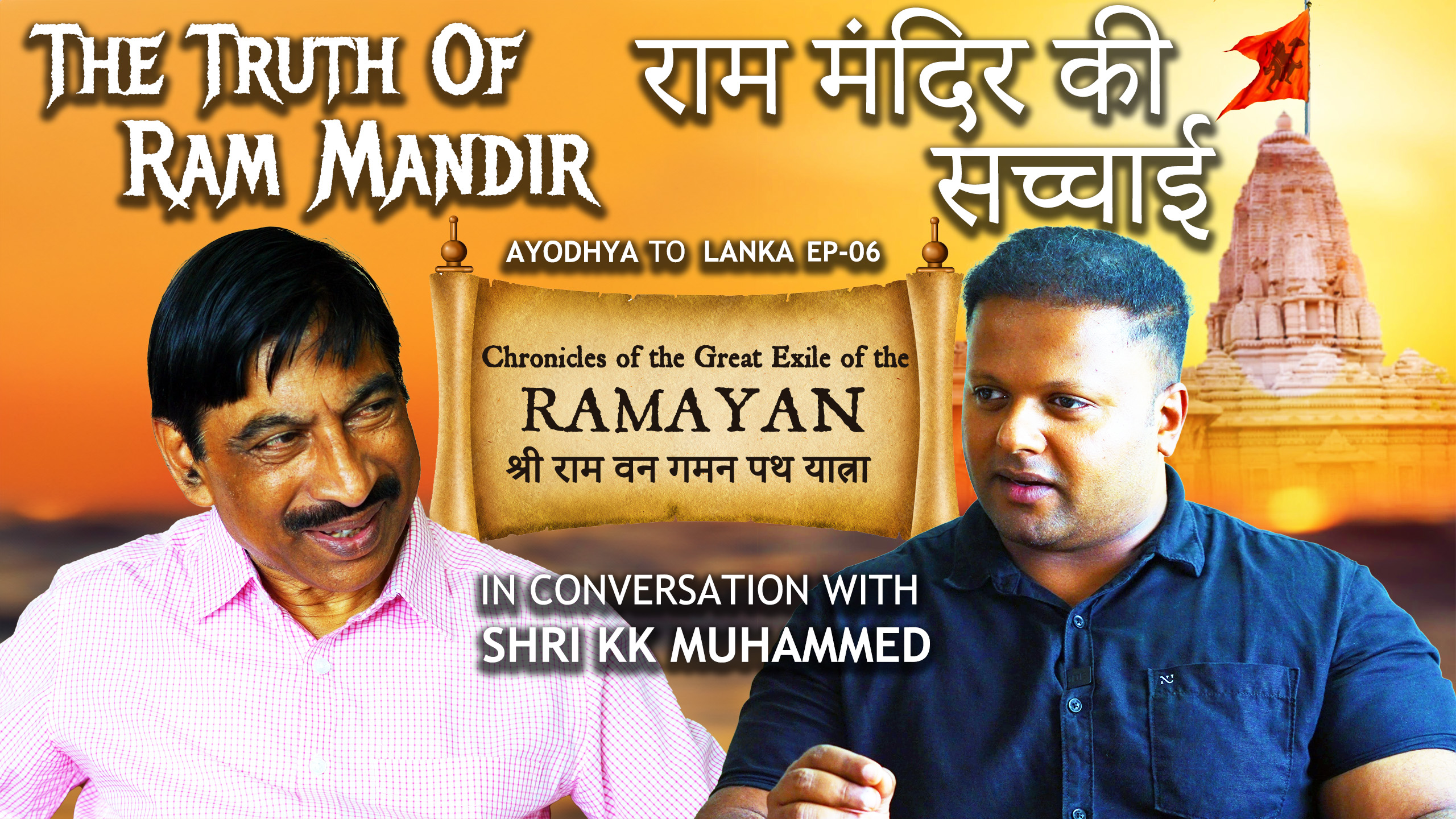
Today’s episode diverges from our usual fare as we embark on an exclusive interview with the esteemed Dr. K K Muhammad. He played a pivotal role in the excavation team that authenticated the existence of the Ancient Ram Janma Bhoomi. Join us as he recounts the extraordinary journey firsthand!
Episode 6 – K K Muhammad Exclusive Interview | Ram Mandir – Ayodhya
This episode diverges from our usual fare as we embark on an exclusive interview with the esteemed Dr. K K Muhammad
We are going to summarize the whole podcast into specific points, you can watch the full interview on YouTube:
a) Shree K K Muhammad was a member of the study team headed by Shree B B Lal, the former Director General of the Archaeological Survey of India. During 1975-77, Mr. Muhammad was affiliated with the School of Archaeology.
b) The purpose of their visit was to identify and understand the cultural continuity of Ayodhya, with their primary focus not initially aimed at verifying the legitimacy of the ancient place. However, during the course of their study, they discovered evidence confirming the existence of a Hindu temple predating the Babri Masjid.
c) He explained to us the process of the studies conducted. The first phase involves studying the outer surface or layer, followed by scientifically conducted excavations. Each layer is carefully removed one by one to avoid damaging any valuable artifacts or remains.
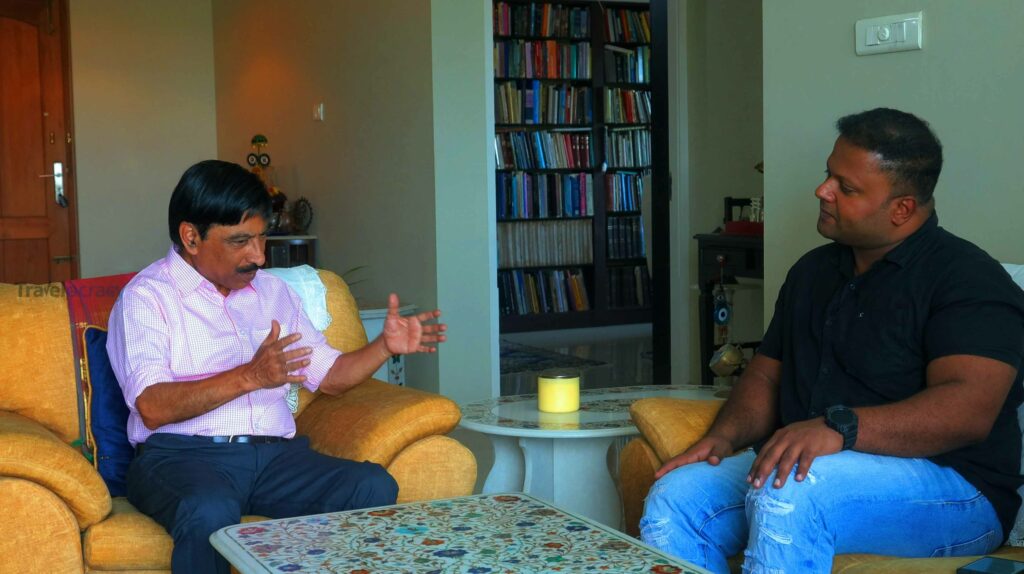
d) He informed us that during their visit in 1975, they attempted to enter the Masjid premises but were initially halted by a policeman on duty who cited the site’s controversial nature. The team explained their affiliation with the Archaeological Department and their focus on archaeological study rather than controversy. Eventually, they were granted permission to enter.
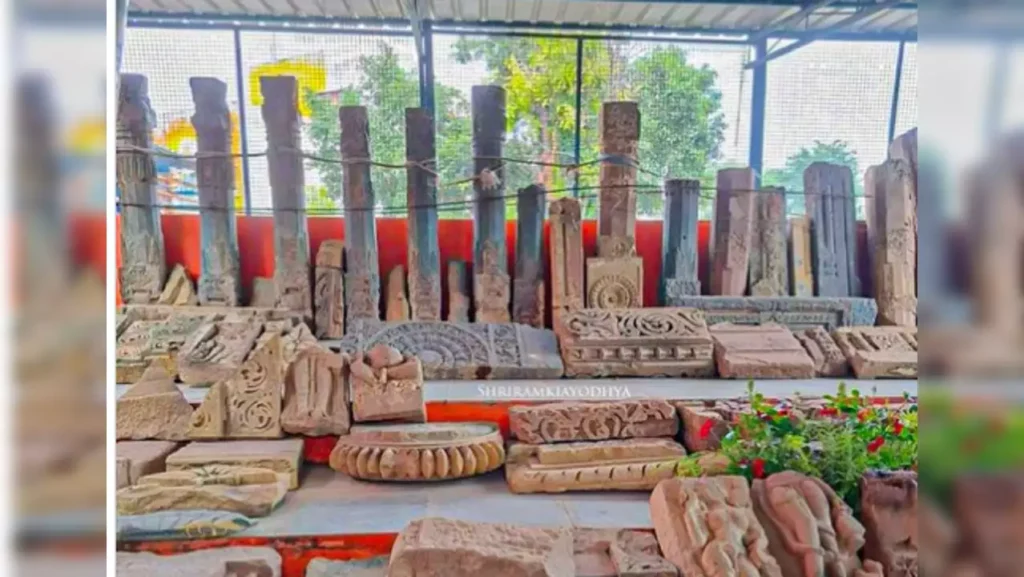
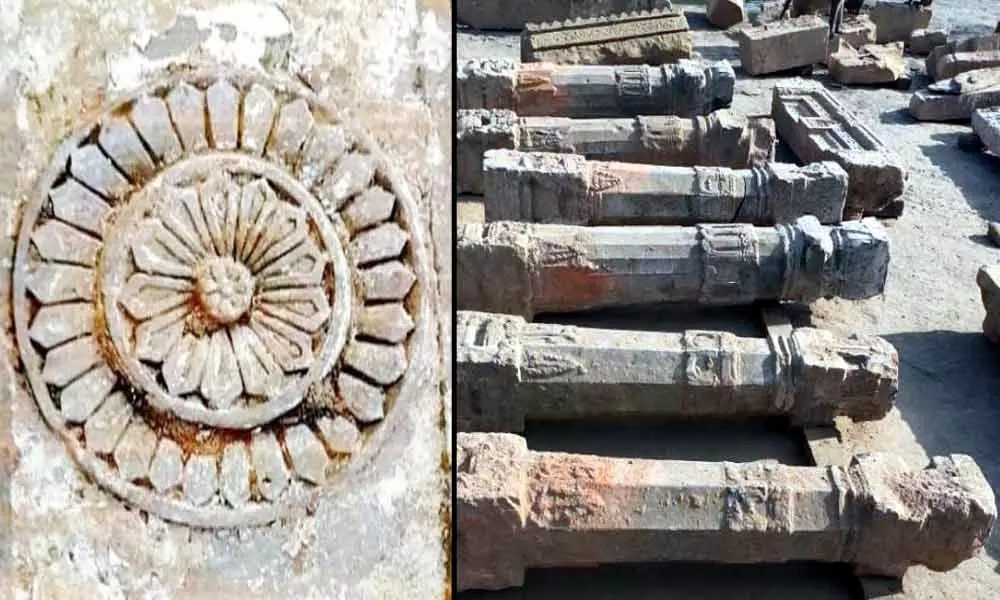
e) The Team of 10 people including Dr Muhammad discovered that the pillars used in the mosque were actually from a temple. They identified this by studying the style and motifs on the pillars, such as the “Purna Kalash” engraved on them
f) Due to Mr. Lal’s desire to avoid religious conflicts, he chose not to mention the discovery of Hindu religious symbols and terracotta items during the excavation. However, this omission led foreign and Marxist media outlets to falsely declare that the team found no evidence supporting the existence of a temple at the site. In response to this misinformation, Mr. Lal had to defend himself by stating the truth: that they had indeed found sufficient evidence linking the site to an ancient temple.
g) In 1990, Mr. Muhammad also publicly supported Mr. Lal’s assertion that Ayodhya holds the same significance for Hindus as Mecca does for Muslims. He advocated for the Muslim side to hand over the land for the construction of the Ram Lalla Temple.
h) He informed us that other religious structures in Ayodhya, such as Kanak Bhawan and Dashrath Mahal, belong to the 18th and 19th centuries, which is evident from their architectural style. Their arches and other architectural features, like the Multi-foiled arch style, became popular during the time of Shahjahan.
i) He further explained that according to archaeological concepts, timeframes are not determined by Yugas but by their own calculations and logic based on years. According to him, the Mahabharata occurred around 1400 BC, approximately 3500 years ago from today, while the Ramayana predates that.
j) Dr. Muhammad also addressed a conspiracy theory claiming that Nepal was the birthplace of Lord Ram and the setting for the entire Ramayana. According to him, this theory is archaeologically incorrect because Valmiki’s Ramayana does not mention any locations in Nepal. The epic describes Lord Ram starting his exile from Ayodhya, passing through places like Shringverpur (which still exists by the same name), Bhardwaj Ashram, Chitrakoot, and others—all of which are specifically located in India, not Nepal.
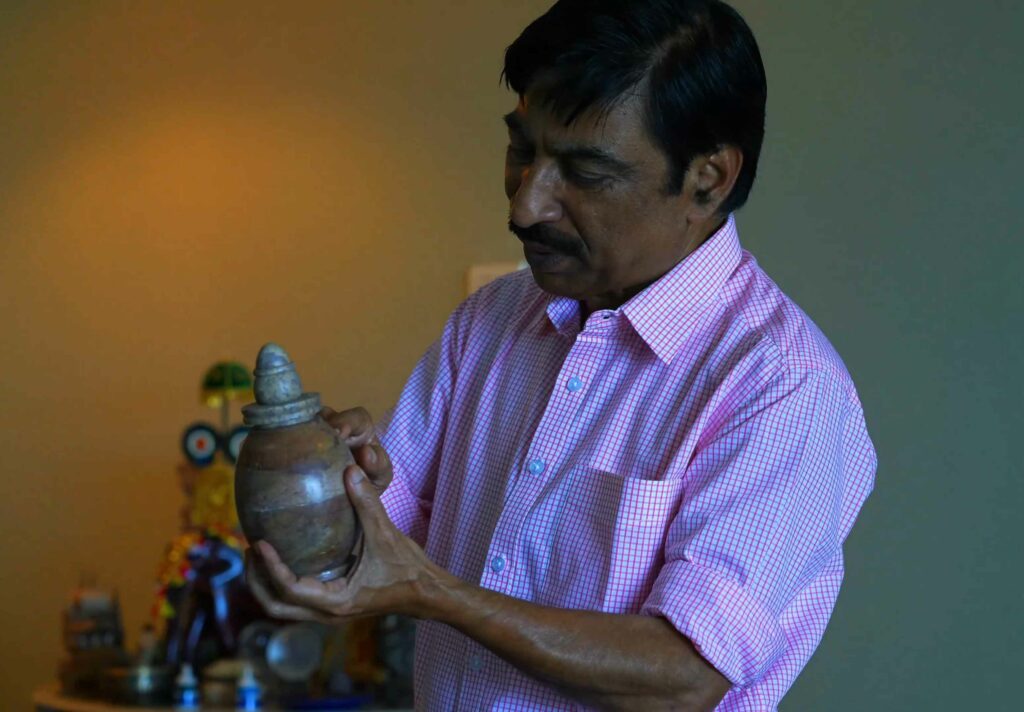
l) He also generously showed us a replica Relic Casket, originally containing the holy ashes of Lord Buddha, which was discovered during the excavation of Kapilvastu—where Buddha spent his childhood. Dr. Muhammad filled this replica with sands from four holy places of Buddhism: Lumbini (Buddha’s birthplace), Bodh Gaya (where he attained Enlightenment), Sarnath (where he gave his first sermon), and Kushinagar (where he passed away). His intention in showing us this replica relic was to emphasize that India could greatly benefit from aggressively promoting religious tourism, similar to Sri Lanka and Nepal.
m) He is of the view that Ram Setu is a natural formation and not man made.
n) He further says that there are still controversies around where the actual Sri Lanka is located in today’s time.
He describes himself as a staunch critic of the current government, lamenting that insufficient importance is being given to the Archaeological Department of India and the restoration of old temples and monuments. He also emphasizes the need for the government of India to develop untouched places of great cultural significance across the country.
He strongly desires reforms and dynamism in the cultural and architectural departments, believing that such changes would significantly enhance tourism in India. He is an enthusiastic advocate for promoting India’s cultural heritage through tourism.
Please watch the entire episode on our channel Travelocracy and let us know your views and thoughts.. !! Share your thoughts in the comments & subscribe to Travelocracy for more.
Jai Shri Ram… !!!